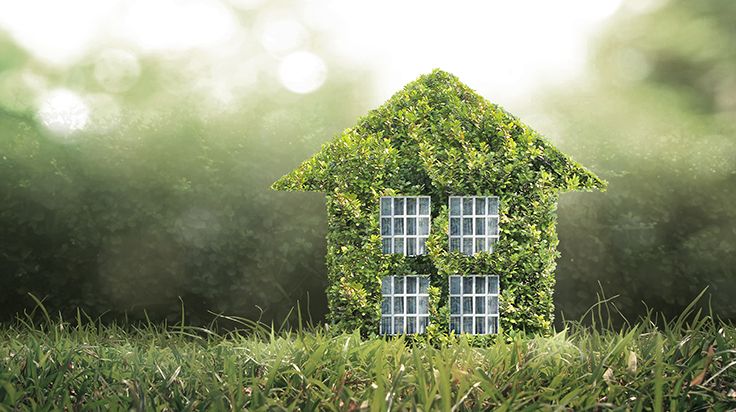
The Indian real estate market has witnessed a remarkable shift towards green and sustainable construction in recent years. As cities grapple with the challenges of increasing urbanization and environmental concerns, developers and homeowners are increasingly adopting modern design and construction techniques to build a more sustainable future.
This blog explores the factors driving Bangalore’s growing interest in sustainable architecture, the benefits of eco-friendly structures, and the initiatives transforming the city’s real estate landscape.
The Need for Sustainable Development
India’s rapid growth and urbanization have brought economic prosperity and employment opportunities. However, this expansion has also resulted in serious environmental challenges such as rising energy consumption, increased carbon emissions, and water scarcity.
These challenges demand immediate action, and green buildings offer a practical and long-term solution. By adopting eco-friendly practices and innovative design strategies, sustainable buildings reduce environmental impact while improving resource efficiency.
Key Environmental Challenges
- Energy Consumption: High dependence on electricity and non-renewable energy sources.
- Carbon Emissions: Rising pollution levels contribute to climate change.
- Water Scarcity: Depleting water resources due to rapid urban development.
- Waste Management: Increasing waste volumes require efficient disposal systems.
Green construction practices address these issues by focusing on energy efficiency, water conservation, indoor air quality, and biodiversity protection. Bangalore’s real estate sector has the potential to lead India toward a more resilient and environmentally responsible future.
The Benefits of Green Building in India
Green buildings provide a wide range of benefits, including environmental protection, cost savings, and healthier living conditions.
Energy Efficiency
Sustainable buildings use energy-efficient technologies such as solar panels, advanced HVAC systems, and improved insulation. These features significantly reduce energy consumption, lower electricity bills, and help combat climate change.
Water Conservation
Water scarcity is a serious concern in Bangalore. Green buildings address this issue through rainwater harvesting, greywater recycling, and water-efficient fixtures, ensuring responsible use of this essential resource.
Improved Indoor Air Quality
By using non-toxic materials, enhancing ventilation, and maximizing natural light, sustainable buildings create healthier indoor environments and reduce the risk of respiratory issues.
Reduced Operational Costs
Although green buildings may require a slightly higher initial investment, they offer long-term savings through reduced energy and water expenses.
Enhanced Property Value
Eco-friendly properties often command higher market value and attract environmentally conscious buyers and tenants, improving overall investment returns.
Overcoming Adoption Barriers
Despite the advantages, cost has traditionally been a barrier to green building adoption. However, this gap has narrowed significantly. According to the Indian Green Building Council (IGBC), the additional cost of green buildings has reduced from 10–12% to just 2–5%, making sustainable construction more accessible.
The Growing Momentum
India’s green building potential is substantial. The IGBC estimates that the number of green buildings will reach 100,000 by 2025, compared to just one certified green building in 2001.
This growth spans multiple sectors, including hospitals, hotels, offices, educational institutions, IT parks, and convention centers.
Bangalore’s Green Initiatives
Bangalore is leading India’s green building movement with several initiatives that promote sustainable construction.
Key Initiatives
- Green Building Certifications: IGBC and LEED certifications are increasingly adopted by developers.
- Government Incentives: Karnataka offers tax benefits and fast-track approvals for green projects.
- Public Awareness Campaigns: Growing efforts to educate citizens about sustainable living.
Case Studies of Green Buildings in Bangalore
Infosys
The Infosys campus in Bangalore houses one of the world’s largest collections of LEED-certified buildings. It incorporates energy-efficient systems, water recycling, and expansive green spaces.
Embassy TechVillage
This IT park features rainwater harvesting, solar energy systems, and green rooftops to minimize environmental impact.
Brigade Gateway
A mixed-use development that integrates residential, commercial, and recreational spaces, all designed with sustainability as a core principle.
The Bigger Picture: Green Initiatives Beyond Buildings
Sustainability in Bangalore extends beyond construction to include broader environmental efforts.
- Green Commute: Encouraging electric vehicles, cycling, and public transport.
- Waste Management: Improved waste segregation and recycling programs.
- Urban Green Spaces: Development of parks and green belts to support biodiversity.
Conclusion
Bangalore’s focus on sustainable development is shaping a greener and more responsible urban future. Through green building practices and environmental initiatives, the city is addressing critical challenges while setting an example for other Indian cities.
The journey toward sustainability continues, but with innovation, investment, and awareness, Bangalore is steadily becoming a model for eco-friendly urban development.
Call to Action
As residents, businesses, and policymakers, supporting sustainable practices is essential. By choosing green buildings and participating in environmental initiatives, we can collectively contribute to a healthier and more sustainable future for Bangalore and beyond.
Explore Navin’s and Book your property in Chennai with best in class amenities, smart features and conveniences for your unparalleled lifestyle.